
Introduction
Are your hardwood floors losing their luster? Do they bear the marks of time, traffic, or just everyday life? If you’re a homeowner in New Jersey, you understand the value of maintaining beautiful hardwood floors. The solution is closer than you think. Hardwood floor refinishing New Jersey offers a transformative process that can breathe new life into your home, restoring the warmth and elegance of your floors. This article will walk you through the essential aspects of floor restoration, from understanding the process to choosing the right finish and deciding between DIY and professional services. You’ll learn how to make informed decisions that will ensure your floors look stunning for years to come. Let’s dive in and discover how to revitalize your space with the timeless beauty of restored hardwood. Indeed,
We’ll cover everything from the initial sanding and preparation to the final coat of finish, providing insights into each step. Moreover, understanding the factors that influence the cost of restoration projects is crucial for budgeting and planning. We’ll also explore the pros and cons of DIY versus professional refinishing; as a result, helping you determine which option best suits your needs and skill level. In addition, we’ll discuss how to maintain your newly refinished floors, ensuring they remain a stunning feature of your home for years to come. Whether you’re looking to refresh your current floors or restore the beauty of older hardwood, this guide provides the knowledge you need to achieve exceptional results.
Summary
-
DIY vs. Professional Floor Refinishing: Which Is Right for You?
-
Choosing the Right Finish for Your Hardwood Floors in New Jersey
-
Maintaining Your Refinished Hardwood Floors: Tips and Best Practices
Understanding the Process
Embarking on a hardwood floor restoration project involves several key steps, each crucial to achieving a flawless finish. Understanding these stages ensures homeowners know what to expect and can better appreciate the craftsmanship involved. Initially, surface preparation, which includes removing any existing furniture and thoroughly cleaning the area. This prevents debris from interfering with the sanding process. Then,
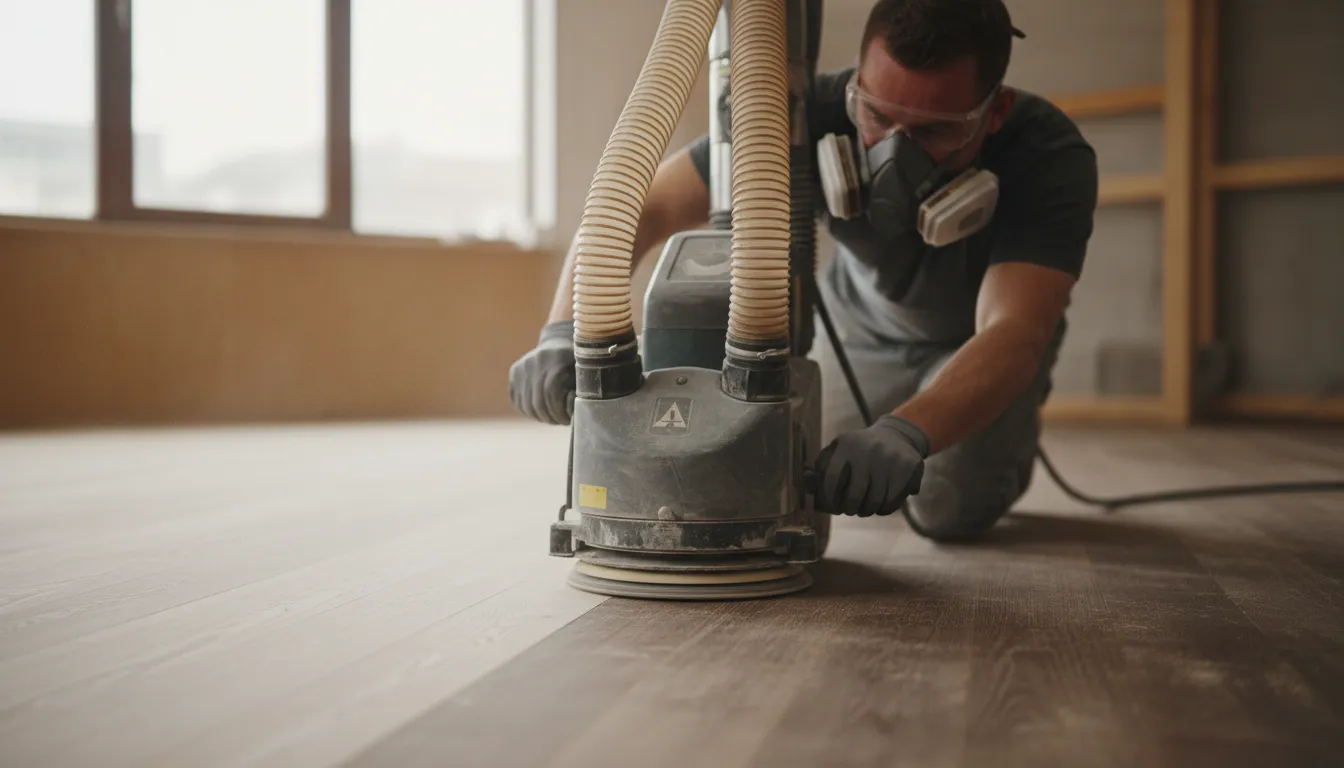
Sanding is a core component. Technicians use specialized equipment to remove the old finish and smooth out imperfections, revealing the bare wood beneath. This often involves multiple passes with varying grits of sandpaper. Dustless sanding technology, like the kind used by Mendes Wood Floor Blog, minimizes airborne particles, creating a cleaner and safer environment. This is particularly important for homes with occupants sensitive to dust and allergens. Thus,
After sanding, any gaps or cracks are filled with wood filler to create a seamless surface. Once the filler is dry, another light sanding ensures a perfectly smooth base for staining and finishing. Staining allows homeowners to customize the color of their floors, choosing from a wide range of shades to match their décor. The stain is applied evenly and allowed to penetrate the wood before any excess is removed. For example,
The final step involves applying several coats of finish to protect the wood and enhance its natural beauty. Finishes are available in various sheens, from matte to high gloss, allowing homeowners to achieve their desired look. Each coat of finish must dry completely before the next is applied, and a light buffing between coats ensures optimal adhesion and a smooth surface. Indeed, this meticulous process guarantees a durable and long-lasting result, transforming worn hardwood floors into stunning focal points of the home. The careful execution of each phase contributes to a floor that not only looks beautiful but also stands the test of time. This is crucial.
Cost Factors in Restoration Projects
Several key elements influence the overall cost of hardwood floor restoration projects. Understanding these factors is crucial for homeowners in New Jersey to budget effectively and make informed decisions. The final price reflects a combination of labor, materials, and the specific conditions of the flooring. Therefore,
Floor Size and Layout: The square footage of the area directly impacts the amount of materials and labor required. Larger spaces naturally cost more to refinish than smaller ones. Complex layouts with intricate patterns or numerous corners can also increase labor time and, consequently, the overall expense. More straightforward, open-concept designs are typically more cost-effective. However,
Type of Wood and Condition: Different types of wood require specific treatments and products. Exotic hardwoods or older floors with significant damage may necessitate specialized techniques, adding to the cost. Severely damaged floors, such as those with deep scratches, water damage, or cupping, might require extensive repairs before refinishing can even begin. Hence,
Refinishing Options: The choice of finish significantly affects the price. Options range from basic polyurethane to more durable and eco-friendly water-based finishes. The number of coats applied also influences the cost; more coats provide greater protection but require additional time and materials. Consider discussing the pros and cons of each option with your contractor. The Mendes Wood Floor Blog offers extensive information on different finishes. In addition,
Additional Services: Many homeowners opt for additional services, such as staining, repairing damaged boards, or removing existing flooring. Staining can change the color of the hardwood, providing a fresh new look, while board replacements address irreparable damage. The need to remove old flooring will also add to the overall project cost. These services add to the complexity and time involved, increasing the total expenditure for the project. Thus,
Geographic Location: Labor costs and material prices can vary depending on your location within New Jersey. Urban areas may have higher labor rates compared to more rural locations. Furthermore, the availability and cost of specific materials can fluctuate regionally, impacting the project’s final cost. This analysis is critical during the estimating phase. In essence,
DIY vs. Professional Floor Refinishing: Which Is Right for You?
Deciding whether to tackle hardwood floor refinishing as a DIY project or hire professionals is a critical decision with significant implications for the final result and your budget. While DIY can seem appealing due to potential cost savings, it requires a substantial investment of time, effort, and specialized equipment. Professional services, on the other hand, offer expertise and efficiency but come at a higher upfront cost. The Mendes Wood Floor Blog aims to help you weigh these factors.
DIY Refinishing: The Allure and the Challenges
The primary draw of DIY refinishing is cost. Renting equipment and purchasing materials might seem more affordable than hiring a crew. However, this approach demands a significant time commitment. Sanding alone can take days, and applying finishes requires patience and precision. Mistakes can be costly to fix, potentially exceeding the initial savings. Moreover, achieving a uniform finish without professional-grade equipment and experience is difficult. Dust control is another major concern, as DIY methods often lack the advanced dust collection systems used by professionals. This can leave your home filled with fine particles, posing health risks and requiring extensive cleanup. Thus,
Professional Refinishing: Expertise and Efficiency
Hiring professionals offers several key advantages. They possess the expertise to assess the condition of your floors, identify the appropriate sanding techniques, and apply finishes for optimal durability and aesthetics. Professionals also bring specialized equipment, including dustless sanding systems, ensuring a cleaner and healthier environment. While the initial investment is higher, the long-term benefits often outweigh the costs. A professionally refinished floor will last longer and maintain its appearance better than a DIY job. Furthermore, professionals can complete the project much faster, minimizing disruption to your home life. Consequently,
Considerations When Choosing
Here’s a checklist to help guide your decision:
-
Budget: Compare the total cost of DIY (including rentals, materials, and potential mistakes) with professional quotes.
-
Time: Assess how much time you can realistically dedicate to the project.
-
Skill Level: Be honest about your experience with sanding, staining, and finishing.
-
Equipment: Consider the cost and availability of renting professional-grade equipment.
-
Health Concerns: Evaluate the importance of dust control and indoor air quality.
Ultimately, the choice depends on your individual circumstances and priorities. Understanding the pros and cons of each option empowers you to make an informed decision that aligns with your needs and ensures a beautiful, long-lasting result. Of course,
Choosing the Right Finish for Your Hardwood Floors in New Jersey
Selecting the appropriate finish is crucial after the dust settles from your hardwood floor project in New Jersey. The finish not only dictates the appearance of your floors but also determines their durability and maintenance requirements. With a plethora of options available, understanding the characteristics of each type is essential to make an informed decision that aligns with your lifestyle and aesthetic preferences. As a result,
One popular choice is polyurethane, known for its exceptional durability and resistance to scratches, stains, and water damage. Polyurethane finishes are available in both oil-based and water-based formulations. Oil-based polyurethane offers a warm, amber hue and tends to be more durable, while water-based polyurethane is low in VOCs (volatile organic compounds) and dries more quickly, making it an environmentally friendly option. According to Mendes Wood Floor Blog, water-based finishes are gaining popularity due to increased environmental awareness. So,
GET A FREE ESTIMATERequest free quote! |
Another option to consider is varnish, which provides a traditional look and feel. Varnish finishes are available in various sheens, from matte to glossy, allowing you to customize the appearance of your floors. However, varnish may not be as durable as polyurethane and may require more frequent maintenance. Instead,
For those seeking a natural and eco-friendly option, penetrating oil finishes like tung oil or linseed oil are worth exploring. These finishes penetrate the wood fibers, enhancing the natural grain and providing a soft, matte appearance. While they offer excellent aesthetic appeal, penetrating oil finishes require regular maintenance and may not be as resistant to scratches and stains as other options. Instead,
When choosing a finish, consider the following factors:
-
Durability: How much wear and tear will the floors endure?
-
Appearance: What sheen level and color tone are desired?
-
Maintenance: How much effort are you willing to invest in upkeep?
-
VOC Content: Are you concerned about indoor air quality?
-
Cost: What is your budget for the finishing project?
Careful consideration of these factors will help you select the perfect finish to protect and enhance your hardwood floors for years to come.
Maintaining Your Refinished Hardwood Floors: Tips and Best Practices
Once your hardwood floors have been professionally refinished, maintaining their beauty and longevity becomes paramount. Proper care not only preserves the aesthetic appeal but also protects your investment. By implementing a few simple yet effective strategies, you can ensure that your floors remain stunning for years to come. The Mendes Wood Floor Blog offers various insights into keeping your hardwood in excellent condition. Of course,
One of the first lines of defense against wear and tear is implementing a consistent cleaning routine. Regular sweeping or vacuuming (using a soft brush attachment) removes dirt and debris that can scratch the surface. It is important to avoid vacuums with beater bars, as these can cause damage over time. For deeper cleaning, use a hardwood floor cleaner specifically designed for polyurethane finishes. These cleaners are pH-neutral and won’t dull the finish. Indeed,
Preventative measures are equally crucial. Consider the following to minimize potential damage:
-
Use Doormats: Place mats at all entryways to trap dirt and moisture before they reach your hardwood.
-
Area Rugs: Use rugs in high-traffic areas, such as hallways and living rooms, to protect the finish from abrasion.
-
Furniture Pads: Affix felt pads to the legs of all furniture to prevent scratches and dents.
-
Avoid Stiletto Heels: These can exert excessive pressure and dent the floor.
-
Pet Care: Keep pet nails trimmed to prevent scratching.
Addressing spills promptly is essential. Wipe up any liquids immediately with a soft cloth to prevent staining and water damage. Avoid using excessive water when cleaning, as moisture can seep into the seams and cause warping. For stubborn stains, consult with a professional before attempting harsh cleaning methods that could damage the finish. New Jersey hardwood floor refinishing, when done correctly, provides a durable surface, but even the best finishes require proper care. A proactive approach to maintenance will keep your floors looking their best, preserving the beauty and value of your home. Therefore,
Conclusion
Refinishing your hardwood floors is a worthwhile investment that can dramatically enhance the beauty and value of your New Jersey home. By understanding the refinishing process, considering the various cost factors, and weighing the pros and cons of DIY versus professional services, you can make informed decisions that align with your budget and preferences. Selecting the right finish is equally important, as it impacts both the appearance and durability of your floors.
Proper maintenance is key to preserving the longevity and luster of your refinished hardwood. Regular cleaning, preventative measures, and prompt spill management will help keep your floors looking their best for years to come. Remember to choose cleaning products specifically designed for hardwood floors and avoid harsh chemicals that could damage the finish. With the right care, your refinished floors will continue to impress for decades.
For those seeking expert assistance, consider reaching out to Mendes Wood Floor Blog. With over 10 years of experience in the flooring industry, Mendes Wood Floor specializes in the installation, restoration, and refinishing of hardwood floors and staircases across NY, NJ, and PA. Their commitment to high-quality craftsmanship, transparent communication, and advanced dustless sanding technology ensures a seamless and satisfying experience. Let Mendes Wood Floor Blog transform your hardwood floors into a stunning focal point of your home. Investing in Hardwood floor refinishing New Jersey not only enhances your living space but also increases your property value, making it a smart and stylish decision.
Frequently Asked Questions
How long does the process typically take?
The duration of a floor restoration project can vary based on several factors, including the size of the area, the type of wood, and the complexity of the job. Generally, it takes between 3 to 7 days to complete. This includes time for sanding, filling gaps, staining (if desired), and applying multiple coats of finish. Each coat of finish needs to dry completely before the next is applied, which can add to the overall timeline. It’s best to discuss the expected timeframe with your contractor to get a more accurate estimate.
What are the main cost factors associated with floor restoration?
Several elements influence the overall expense of these projects. The size of the floor is a primary factor; larger areas require more materials and labor. The type and condition of the wood also play a significant role. Exotic or severely damaged floors may need specialized treatments, increasing the cost. The choice of finish, additional services like staining or board replacement, and geographic location can also impact the final price. Obtaining a detailed quote from a professional can help clarify these costs.
Is DIY a viable option for homeowners?
While DIY might seem appealing due to potential cost savings, it requires a considerable investment of time, effort, and the right equipment. It involves sanding, staining, and applying finishes, each demanding precision and patience. Mistakes can be expensive to rectify, potentially negating the initial savings. Moreover, achieving a uniform finish without professional-grade equipment can be challenging. However, if you have experience with similar projects and are prepared to invest the necessary time and effort, DIY can be a viable option.
What type of finish is most durable for floors?
Polyurethane is often recommended for its exceptional durability and resistance to scratches, stains, and water damage. It comes in both oil-based and water-based options. Oil-based polyurethane tends to be more durable and offers a warm, amber hue. Water-based polyurethane is low in VOCs and dries faster, making it an eco-friendlier choice. The best option depends on your specific needs and preferences, considering factors like durability, appearance, and environmental impact.
How can I maintain my refinished floors to prolong their lifespan?
Maintaining newly done floors involves consistent cleaning and preventative measures. Regular sweeping or vacuuming with a soft brush removes dirt and debris that can cause scratches. Using doormats at entryways and area rugs in high-traffic zones can protect the finish from abrasion. Furniture pads under the legs of furniture prevent scratches and dents. Promptly addressing spills prevents staining and water damage. By following these tips, you can preserve the beauty and value of your floors for years.