
Introduction
Choosing the right flooring for your stairs is a crucial decision that balances aesthetics, safety, and durability. Stairs are high-traffic areas, and the flooring material you select will significantly impact the overall look and feel of your home. Selecting the best stair flooring involves carefully evaluating various materials, each with its unique set of advantages and disadvantages. This article explores the top options, offering insights into their durability, safety, cost-effectiveness, and aesthetic appeal.
Whether you’re renovating an existing staircase or designing a new home, understanding the nuances of each flooring material is essential. We’ll delve into the pros and cons of hardwood, carpet, laminate, vinyl, engineered wood, and tile; additionally, we will provide a comprehensive guide to help you make an informed decision. From the classic elegance of hardwood to the budget-friendly practicality of laminate, we’ll cover all aspects to ensure you choose the perfect solution for your stairs.
By the end of this guide, you’ll have a clear understanding of which materials best suit your needs, budget, and style preferences. So, let’s explore the best options to create a beautiful and functional staircase that enhances your home’s value and appeal.
Summary
Exploring the Durability of Hardwood Options
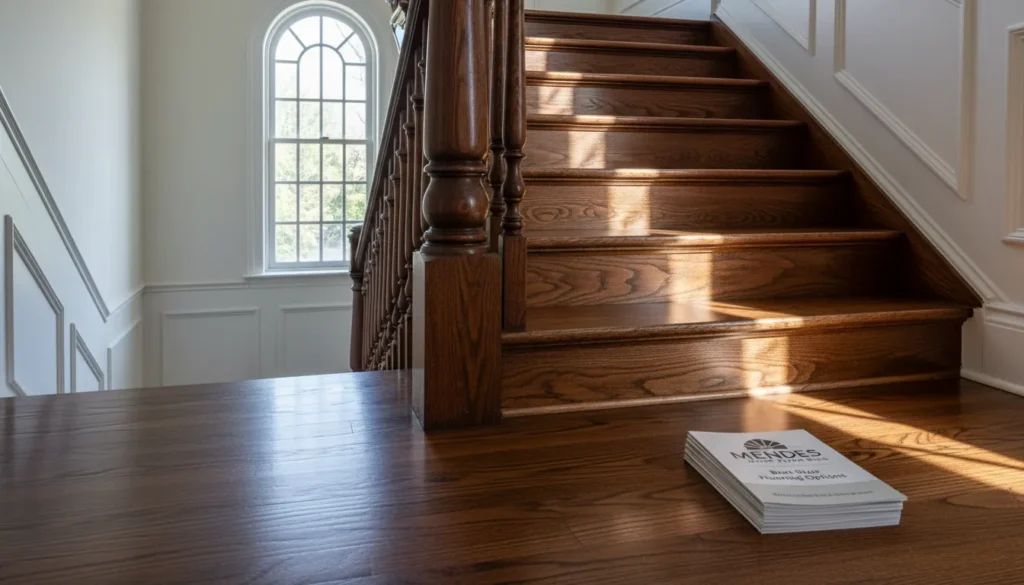
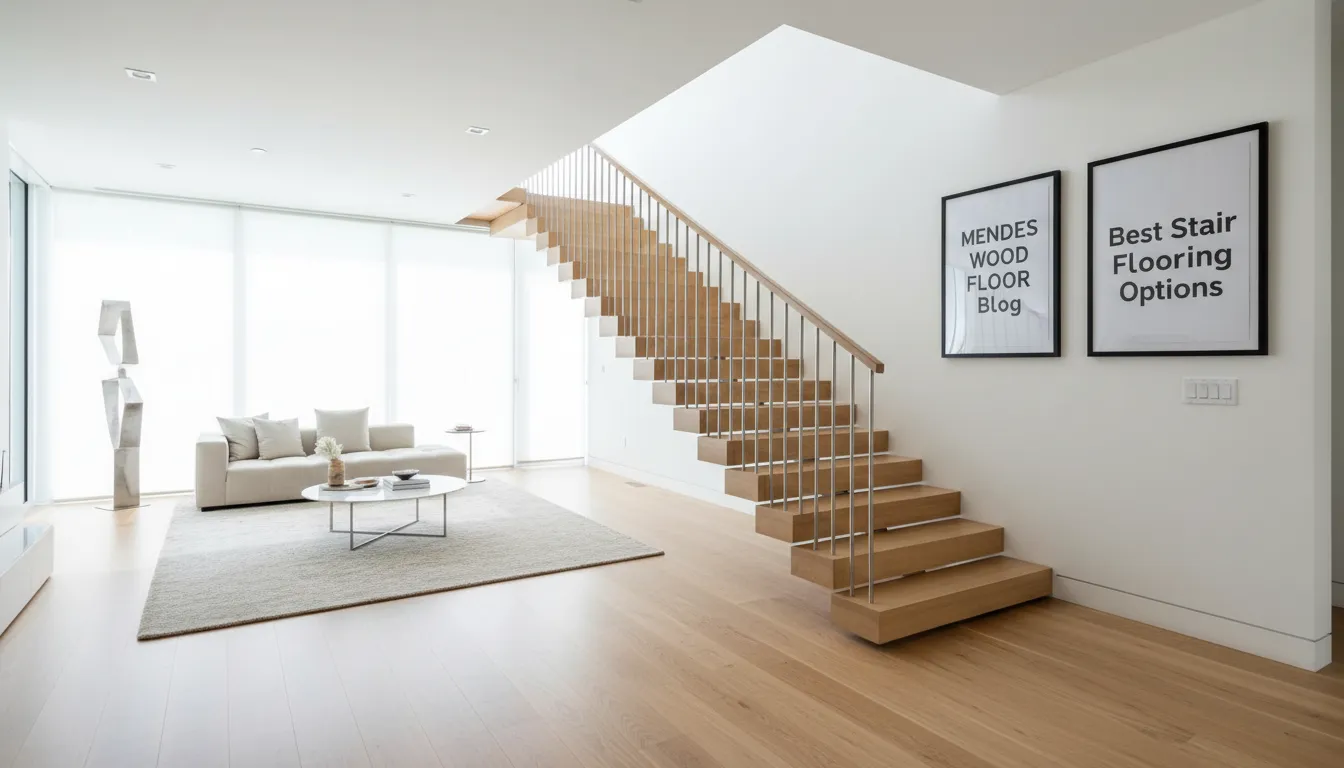
When selecting hardwood for your staircase, durability is a key consideration. Different wood species offer varying levels of resistance to wear and tear. Hardwoods like oak, maple, and hickory are popular choices because of their inherent strength and ability to withstand heavy foot traffic. The Janka hardness scale is often used to measure the relative hardness of different wood species; the higher the number, the more resistant the wood is to dents and scratches. Therefore, this measurement can be a valuable tool in helping homeowners choose the most durable option for their staircase.
The construction and finish of the hardwood also play significant roles in its overall durability. Solid hardwood, while beautiful, can be more susceptible to expansion and contraction with changes in humidity, potentially leading to gaps or warping over time. Engineered hardwood, on the other hand, consists of multiple layers of wood veneer bonded together; thus, making it more dimensionally stable and resistant to moisture-related issues. The type of finish applied to the wood’s surface also contributes to its longevity, and durable finishes like polyurethane can protect the wood from scratches, stains, and UV damage.
To ensure the long-term durability of hardwood steps, proper installation and maintenance are essential. Professional installation can minimize the risk of squeaks, uneven surfaces, and other issues that can compromise the integrity of the staircase. Regular cleaning with a damp cloth and appropriate hardwood floor cleaner can help prevent the buildup of dirt and grime that can dull the finish and scratch the surface. Moreover, placing mats or rugs at the top and bottom of the staircase can help protect the steps from excessive wear and tear. Mendes Wood Floor Blog offers expert advice on maintaining and preserving hardwood for stairs, ensuring they remain beautiful and durable for years to come.
Here are some factors that impact the durability of these floors:
-
Wood Species: The inherent hardness of the wood.
-
Finish Type: The protective layer against scratches and wear.
-
Installation Quality: Proper installation prevents future issues.
-
Maintenance Routine: Regular cleaning preserves the finish.
-
Traffic Level: High traffic accelerates wear and tear.
Carpet vs. Other Materials: Evaluating Safety and Comfort
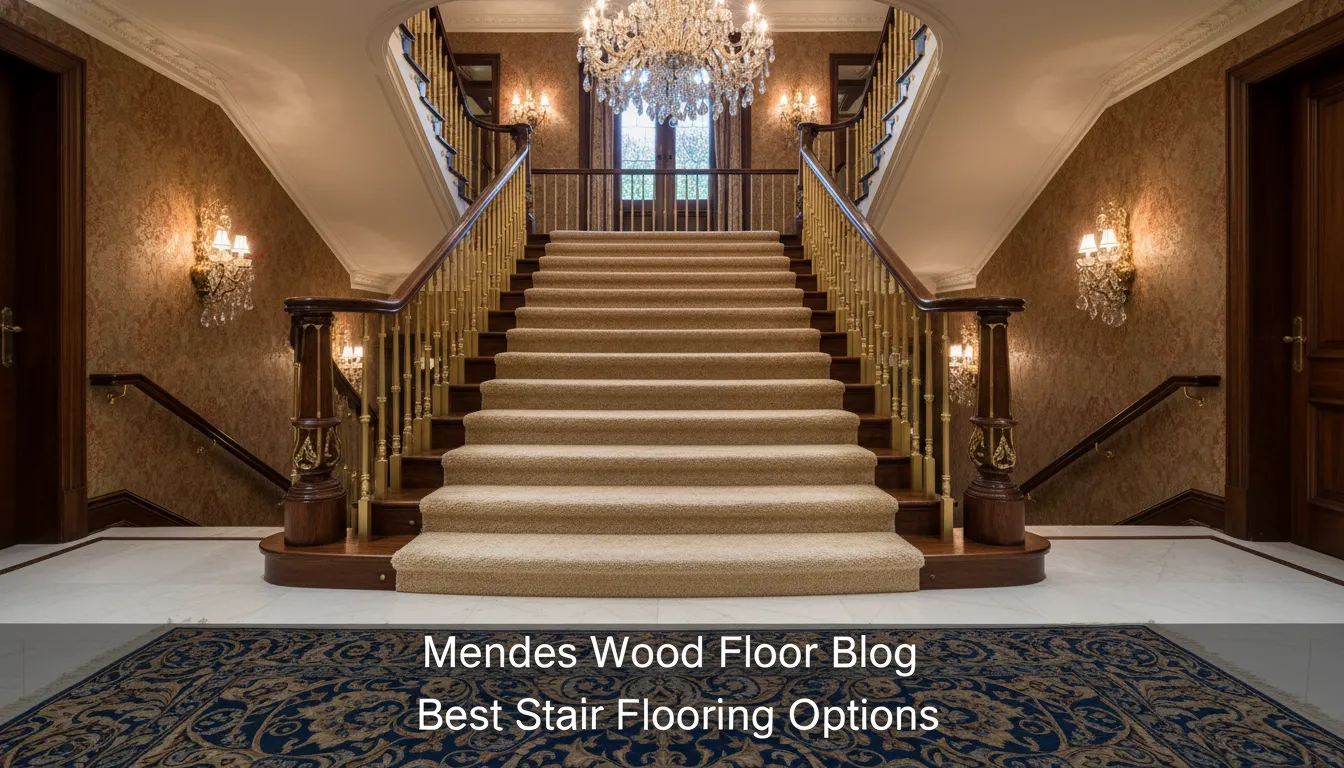
When selecting materials for stairs, safety and comfort are paramount. Carpet is often favored for its inherent cushioning and slip-resistant properties. Unlike hardwood, tile, or laminate, carpet provides a softer surface that can reduce the impact of falls, making it an excellent choice for homes with young children or elderly individuals. Because of this, the textured surface of most carpets offers better traction, minimizing the risk of slips and slides, especially on heavily trafficked staircases. Mendes Wood Floor Blog often highlights the importance of safety when discussing flooring options.
However, other materials can be modified to improve safety. Hardwood, for example, can be paired with non-slip treads or runners to increase traction. These additions provide a similar level of safety to carpeting while maintaining the aesthetic appeal of wood. Tile and laminate, while durable, can be particularly slippery when wet, so choosing textured versions or adding rugs is crucial. Of course, the initial evaluation should consider the existing architecture.
Comfort is another key consideration. Carpet offers a warm and cushioned feel underfoot, making it more comfortable to walk on, especially in bare feet. This is particularly beneficial in colder climates where hard surfaces can feel cold and unwelcoming. Other materials, such as stone or tile, tend to be much harder and colder, requiring the use of rugs or other soft coverings to enhance comfort. In contrast, carpet provides immediate warmth and softness.
Here’s a comparison of safety and comfort features across different materials:
-
Carpet: High safety due to slip resistance and cushioning; high comfort due to softness and warmth.
-
Hardwood: Moderate safety (can be slippery); moderate comfort (can be hard); improved with runners and rugs.
-
Tile: Low safety (slippery when wet); low comfort (hard and cold); improved with textured finishes and rugs.
-
Laminate: Moderate safety (can be slippery); moderate comfort (hard); improved with rugs.
-
Vinyl: Moderate safety (some slip resistance); moderate comfort; can be softer than hardwood.
Ultimately, the best choice depends on your specific needs and preferences. If safety and comfort are your top priorities, carpet is often the superior choice. However, with the right modifications and additions, other materials can also provide a safe and comfortable stairwell.
Laminate and Vinyl: Cost-Effective Solutions
For homeowners seeking budget-friendly options that don’t compromise on aesthetics, laminate and vinyl emerge as strong contenders. These materials provide a blend of affordability, durability, and design versatility, making them suitable for a variety of staircases. As a result, the Mendes Wood Floor Blog often highlights these as practical choices for homeowners looking to balance cost and style.
Laminate flooring, constructed from composite wood pressed together at high densities, offers a realistic wood-like appearance at a fraction of the cost of hardwood. Its multi-layer construction includes a decorative layer that can mimic various wood species, stone, or tile. A durable wear layer protects against scratches, dents, and fading, making it a resilient option for high-traffic areas like stairs. For example, installation is relatively straightforward, often involving click-lock systems that simplify the process.
Vinyl flooring presents another cost-effective alternative, renowned for its water resistance and ease of maintenance. Available in planks, tiles, or sheets, vinyl can replicate the look of wood or stone with impressive realism. Because of its waterproof properties, it makes it an excellent choice for stairs in areas prone to moisture, such as entryways or basements. Vinyl is also softer underfoot compared to laminate, providing added comfort. Thus, consider these factors when making your choice.
Here are some key advantages of laminate and vinyl for staircase applications:
-
Affordability: Significantly lower material and installation costs compared to hardwood.
-
Durability: Resistant to scratches, dents, and wear.
-
Water Resistance: Vinyl is particularly well-suited for damp environments.
-
Design Versatility: Available in a wide range of styles, colors, and patterns.
-
Easy Maintenance: Simple to clean and maintain.
-
Installation: Easier to install than many other options, potentially reducing labor costs.
While laminate and vinyl offer numerous benefits, it’s important to consider their limitations. They may not provide the same level of warmth and natural feel as hardwood, and their lifespan might be shorter under heavy use. However, for budget-conscious homeowners seeking stylish and practical solutions, these materials offer an excellent balance of cost, performance, and aesthetics. Ultimately, they can be a great way to upgrade a staircase without breaking the bank.
Engineered Wood: Balancing Aesthetics and Practicality for Stairs
Engineered wood presents a compelling option for staircases, skillfully merging aesthetic appeal with practical durability. Unlike solid wood, engineered wood is constructed from multiple layers of wood veneer, bonded together under high pressure. As a result, this layered construction significantly enhances its resistance to warping and moisture, making it a stable choice for environments with fluctuating humidity levels. Homeowners appreciate this stability, as it reduces the likelihood of creaks and shifts over time, common issues with solid wood stairs.
From a design perspective, engineered wood offers versatility that rivals solid wood. It is available in a wide array of finishes, wood species, and plank sizes, allowing for customization to match any interior décor. Whether you desire the classic look of oak, the rich tones of walnut, or a modern, minimalist aesthetic, it can deliver. Furthermore, the surface veneer can be treated with various stains and sealants, further expanding the design possibilities and ensuring a cohesive look throughout your home.
Practical benefits of engineered wood extend beyond its dimensional stability. It’s generally more cost-effective than solid wood, making it an accessible option for budget-conscious homeowners. Installation is often simpler, thanks to its consistent dimensions and engineered locking systems. Moreover, engineered wood is an environmentally responsible choice, utilizing wood more efficiently than solid planks, contributing to sustainable forestry practices. Mendes Wood Floor Blog often highlights the eco-friendly aspects of choosing engineered materials for home renovations.
GET A FREE ESTIMATERequest free quote! |
Consider these advantages when evaluating materials for staircases:
-
Cost-Effectiveness: Offers a more budget-friendly alternative to solid wood.
-
Dimensional Stability: Resists warping and moisture damage.
-
Design Versatility: Available in various finishes, species, and plank sizes.
-
Ease of Installation: Simplifies the installation process with consistent dimensions.
-
Eco-Friendly: Utilizes wood resources more efficiently, supporting sustainability.
In conclusion, engineered wood represents a smart choice, delivering a balance of beauty, durability, and value. Its ability to mimic the appearance of solid wood while offering enhanced stability and cost savings makes it an ideal solution for modern homes. This careful evaluation ensures long-lasting beauty and performance in high-traffic areas.
Tile and Alternative Staircase Covering Ideas
While wood and carpet are popular choices for staircases, tile and other alternative materials can offer unique aesthetic and functional benefits. Tile is known for its durability, moisture resistance, and wide range of design options, making it a suitable choice for high-traffic areas. Alternative materials like laminate and vinyl provide cost-effective solutions with varied styles.
Tile is an excellent option for entryways or homes in warmer climates. It comes in ceramic, porcelain, and natural stone, each offering different levels of durability and visual appeal. Porcelain tile, for instance, is highly resistant to scratches and water damage, making it ideal for busy households. Natural stone tiles, such as slate or travertine, add a touch of elegance and can complement various interior styles. Mendes Wood Floor Blog often highlights the beauty and practicality of tiled staircases in its design showcases.
Here are some alternative covering ideas to consider:
-
Laminate: A budget-friendly option that mimics the look of wood or tile.
-
Vinyl: Durable and water-resistant, available in planks or sheets.
-
Cork: Eco-friendly, comfortable underfoot, and provides sound insulation.
-
Rubber: Ideal for high-traffic areas due to its durability and slip resistance.
-
Concrete: Modern and industrial, can be stained or polished for a unique look.
-
Metal: Offers a sleek and contemporary aesthetic, often used in commercial settings.
When considering tile or alternative materials, safety considerations should be a primary concern. Ensure the surface is not too slippery, especially in wet conditions. Adding texture or using slip-resistant finishes can improve traction. Proper installation is crucial to prevent cracks or uneven surfaces, which could pose a tripping hazard. Furthermore, these materials offer diverse design possibilities and practical advantages over traditional options. Consider the overall aesthetic of your home and your lifestyle needs when choosing the best material for your staircase. Careful planning will help create a beautiful and safe stairway.
Conclusion
Selecting the right stair material is a pivotal decision that impacts not only the aesthetic appeal of your home but also its safety and long-term value. Each material—hardwood, carpet, laminate, vinyl, engineered wood, and tile—offers distinct advantages and considerations. Hardwood provides timeless elegance and durability, while carpet offers superior comfort and safety. Laminate and vinyl present cost-effective solutions with design versatility, and engineered wood balances aesthetics with practical stability. Tile provides unique durability and moisture resistance, making it suitable for specific environments.
When making your choice, consider your budget, lifestyle, and aesthetic preferences. Evaluate the traffic level your staircase endures, the potential for moisture exposure, and the importance of safety features like slip resistance. Proper installation and regular maintenance are crucial for maximizing the lifespan and performance of your chosen flooring. Remember to factor in the overall architectural style of your home and how the stair flooring will complement the existing décor.
For expert guidance and professional installation services, consider reaching out to Mendes Wood Floor Blog. With over 10 years of experience serving NY, NJ, and PA, Mendes Wood Floor specializes in hardwood floor and staircase solutions, using advanced dustless sanding technology to ensure minimal disruption and maximum precision. Their commitment to quality craftsmanship and customer satisfaction makes them an ideal partner for transforming your staircase into a beautiful and functional focal point of your home. By carefully considering these factors and consulting with professionals like Mendes Wood Floor, you can confidently choose the best stair flooring to enhance your home’s beauty and value.
Frequently Asked Questions
What makes hardwood a durable option for stair flooring?
Hardwood’s durability for staircases stems from several factors. Wood species like oak, maple, and hickory are naturally strong and resist wear from heavy foot traffic. The Janka hardness scale helps measure a wood’s resistance to dents and scratches. Furthermore, the finish applied, such as polyurethane, protects against scratches, stains, and UV damage, enhancing longevity. Proper installation and regular maintenance are also critical for ensuring hardwood steps remain beautiful and durable for years.
How does carpet compare to other materials in terms of safety and comfort for stair flooring?
Carpet is often favored for stairs due to its inherent cushioning and slip-resistance, offering a softer surface that reduces the impact of falls, making it ideal for homes with young children or elderly individuals. The textured surface of most carpets provides better traction, minimizing slips, especially on heavily used staircases. While other materials can be modified for safety, carpet provides immediate warmth, softness, and slip resistance.
What are the cost-effective benefits of using laminate and vinyl for stair flooring?
Laminate and vinyl offer several budget-friendly advantages for staircases. They provide a realistic wood-like appearance at a lower cost than hardwood. They are durable, resistant to scratches, dents, and wear. Vinyl is water-resistant, making it suitable for damp environments. Both materials are available in various styles, colors, and patterns, easy to maintain, and often simpler to install, potentially reducing labor costs.
In what ways does engineered wood balance aesthetics and practicality for stairs?
Engineered wood combines aesthetic appeal with practical durability for staircases. Its layered construction enhances resistance to warping and moisture, making it stable in fluctuating humidity. It offers design versatility, available in a wide array of finishes, wood species, and plank sizes, customizable to match any interior décor. Being more cost-effective than solid wood, easier to install, and environmentally responsible, it provides a balance of beauty, durability, and value.
Are there alternative staircase covering ideas besides wood and carpet?
Yes, tile and other alternative materials can offer unique aesthetic and functional benefits for staircases. Tile is known for its durability, moisture resistance, and design options, suitable for high-traffic areas. Alternatives like laminate and vinyl provide cost-effective solutions with varied styles. Other options include cork (eco-friendly and comfortable), rubber (durable and slip-resistant), concrete (modern and industrial), and metal (sleek and contemporary). Safety considerations, such as slip resistance, are paramount when considering these materials.