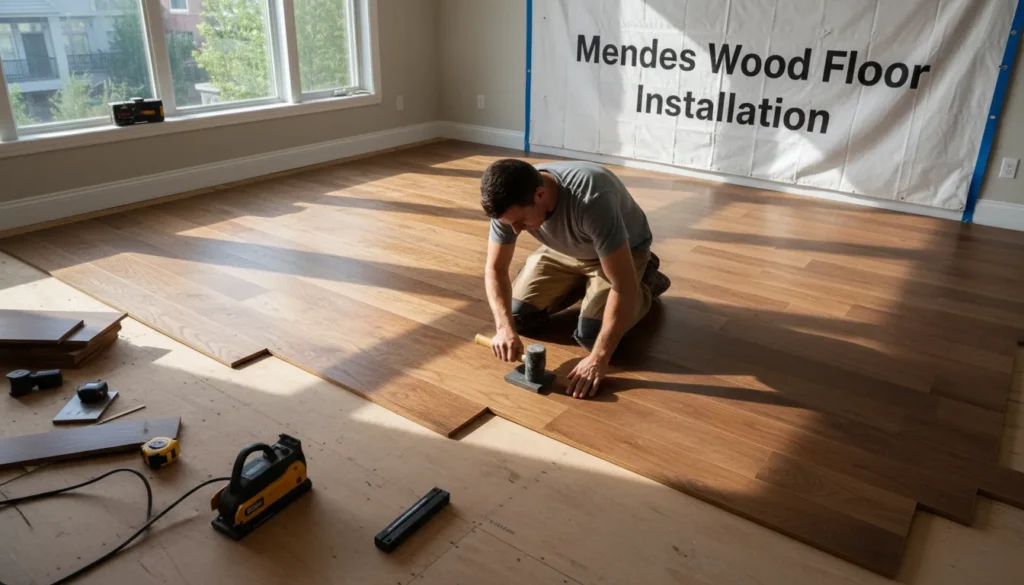

Embarking on a hardwood flooring project is an exciting endeavor, promising to transform your living space with elegance and warmth. However, the success of this project hinges on selecting the right professionals for the job. The quest to find reliable Hardwood Flooring Instalation Near Me can often feel overwhelming. This comprehensive guide aims to simplify that process, providing you with the essential knowledge and steps to make an informed decision. We’ll delve into the key factors influencing installation costs, the pros and cons of DIY versus professional installation, how to prepare your home for the installation process, and essential maintenance tips to ensure the longevity and beauty of your new floors. By the end of this guide, you’ll be well-equipped to navigate the hardwood flooring installation landscape and achieve a stunning, long-lasting result.
Whether you’re a seasoned homeowner or a first-time renovator, understanding the nuances of hardwood flooring installation is crucial. From choosing the right type of wood to ensuring proper subfloor preparation, each step plays a vital role in the final outcome. Let’s explore how to find the best local installers, understand the associated costs, and prepare your home for a seamless and satisfying experience, ensuring your investment adds lasting value and beauty to your property.
Summary
-
Finding the Best Hardwood Flooring Installation Near Me: A Comprehensive Guide
-
Understanding the Costs: Factors Influencing Hardwood Flooring Installation Installation Prices
-
DIY vs. Professional Installation: Weighing the Pros and Cons
-
Preparing Your Home for Hardwood Flooring Installation: A Step-by-Step Checklist
-
Maintaining Your New Hardwood Floors: Tips for Longevity and Beauty
Finding the Best Hardwood Flooring Installation Near Me: A Comprehensive Guide
Embarking on a hardwood flooring project can significantly enhance the aesthetic appeal and value of your home. With that said, the key to achieving a flawless result lies in selecting the right installation service. Finding a reputable and skilled professional ensures that the flooring is installed correctly, minimizing potential issues down the line. This section provides a comprehensive guide to help you navigate the process of locating the best flooring fitters in your vicinity, ensuring a seamless and satisfying experience.
First and foremost, consider the importance of local expertise. Local installers are often more familiar with regional climate conditions and architectural styles, which can influence the choice of materials and installation techniques. Mendes Wood Floor Blog emphasizes the significance of this tailored approach, highlighting how understanding local nuances contributes to the longevity and performance of your hardwood floors. Seek out installers who have a proven track record in your specific area.
Here are crucial steps to finding the right installer:
-
Check Online Reviews: Platforms like Google, Yelp, and the Better Business Bureau offer valuable insights into the experiences of previous customers.
-
Ask for Referrals: Recommendations from friends, family, or neighbors can provide a reliable starting point.
-
Verify Licensing and Insurance: Ensure that the installer is properly licensed and insured to protect yourself from liability.
-
Obtain Multiple Quotes: Compare quotes from different installers to get a sense of the average cost and scope of work.
-
Review Portfolios: Ask to see examples of the installer’s previous work to assess their skill and attention to detail.
Once you have identified a few potential candidates, take the time to conduct thorough interviews. Ask detailed questions about their experience, installation methods, and warranty policies. A reputable installer should be transparent and willing to address all of your concerns. This analysis is critical for a successful flooring project.
Finally, remember that the cheapest option isn’t always the best. Investing in a qualified and experienced installer will save you time, money, and frustration in the long run. It is also very important to verify all credentials and insurance are up to date.
Understanding the Costs: Factors Influencing Hardwood Flooring Installation Installation Prices
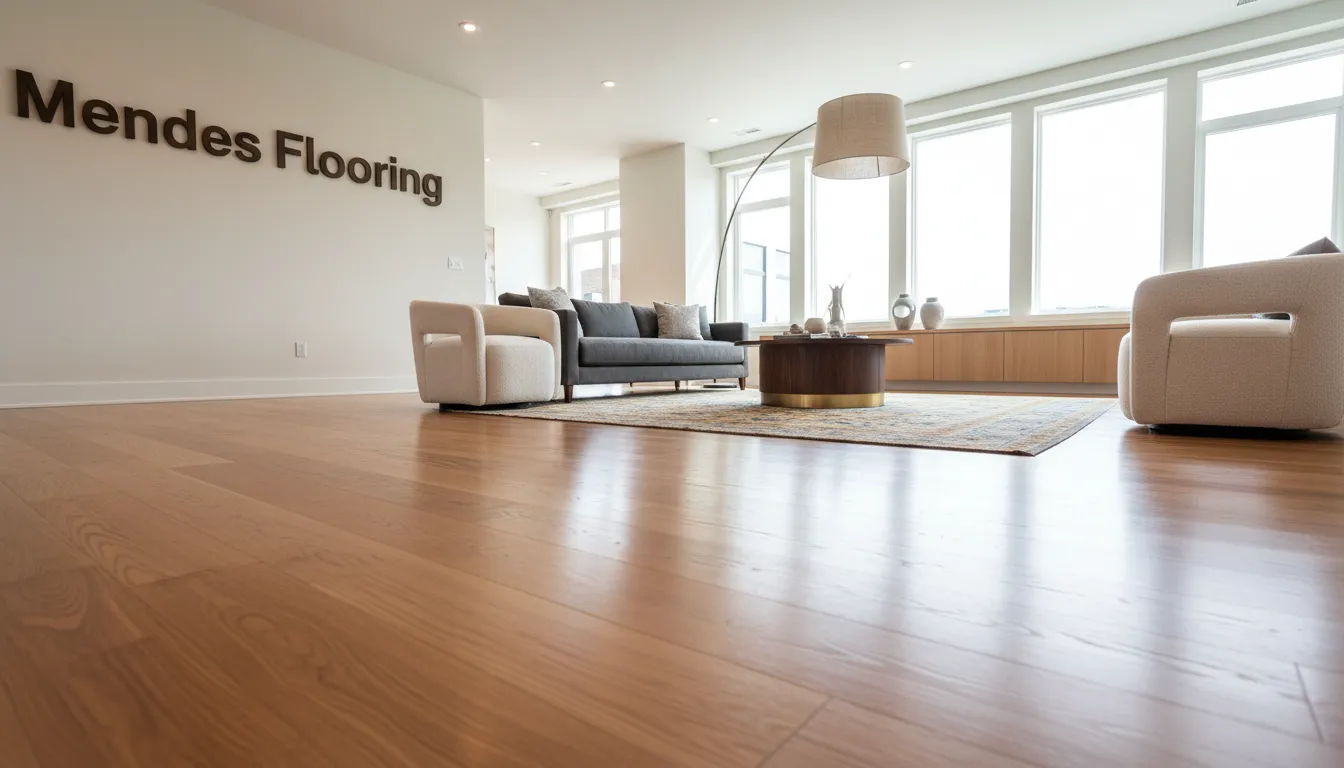
Understanding the costs associated with hardwood flooring installation is crucial for budgeting and making informed decisions. Numerous factors can influence the final price, making it essential to consider each aspect carefully. Mendes Wood Floor Blog aims to provide clarity on these elements to help you navigate the process smoothly.
Type of Wood: The species of wood you choose significantly impacts the overall cost. Common options like oak and maple are generally more affordable, while exotic or rare wood species can be considerably more expensive due to their scarcity and unique characteristics. The grade of the wood also plays a role, with higher grades featuring fewer imperfections and commanding a premium price.
Subfloor Preparation: The condition of your existing subfloor is a critical factor. If the subfloor is uneven, damaged, or requires significant repairs, additional labor and materials will be needed to ensure a stable base for the new hardwood flooring. This preparation can include leveling, reinforcing, or even replacing sections of the subfloor.
Installation Method: Different installation methods come with varying costs. A nail-down installation, often used for solid hardwood, might differ in price compared to a floating installation, commonly used for engineered hardwood. The complexity and time required for each method contribute to the overall expense. Ensuring correct fitting of the floorboards is essential for longevity.
Labor Costs: Labor costs can vary depending on the region, the experience of the installers, and the complexity of the project. Highly skilled installers may charge more, but their expertise can ensure a flawless and long-lasting installation. This includes careful measurement, precise cutting, and secure fastening of the flooring material.
Additional Materials and Finishes: Beyond the hardwood itself, other materials like underlayment, adhesives, and finishing products contribute to the total cost. High-quality finishes can protect the wood and enhance its appearance, but they also add to the overall investment. Consider the long-term benefits of premium materials when making your choices. Additional costs might come from moldings and baseboards.
Room Size and Layout: The size and layout of the room also affect the installation price. Larger rooms require more materials and labor, while complex layouts with corners and curves can increase the time and effort needed for installation. Before undertaking the task, ensure that the room is properly prepared. Understanding these factors can help you estimate the costs of hardwood flooring installation and plan your budget accordingly.
DIY vs. Professional Installation: Weighing the Pros and Cons
Deciding between a do-it-yourself (DIY) approach and hiring a professional for hardwood flooring installation involves carefully considering the advantages and disadvantages of each. A DIY installation can seem appealing due to the potential for cost savings. However, this route demands a significant investment of time, physical effort, and a certain level of skill. Mistakes can lead to costly repairs or even the need to redo the entire project. It’s crucial to honestly assess your capabilities before opting for a DIY approach.
Professional installation, while more expensive upfront, offers numerous benefits. Professionals bring years of experience and specialized tools to ensure the job is done correctly. They can handle complex layouts, address subfloor issues, and ensure proper acclimation of the wood, factors critical to the longevity and appearance of your floor. Choosing professionals like Mendes Wood Floor Blog provides peace of mind, knowing the project is in capable hands.
Here’s a breakdown of the pros and cons of each approach:
-
DIY Installation:
-
Pros: Cost savings, flexibility in scheduling, personal satisfaction.
-
Cons: Time-consuming, physically demanding, requires specific tools and skills, potential for errors leading to extra costs, no warranty on workmanship.
-
Professional Installation:
-
Pros: Expertise and experience, efficient installation, warranty on workmanship, proper subfloor preparation, ensures correct acclimation of wood, minimizes waste.
-
Cons: Higher upfront cost, less flexibility in scheduling.
Ultimately, the best choice depends on your individual circumstances, skill level, and budget. If you’re unsure about any aspect of the installation process, it’s always wise to consult with a professional. When handled by experts, it guarantees a beautiful and lasting result.
Preparing Your Home for Hardwood Flooring Installation: A Step-by-Step Checklist
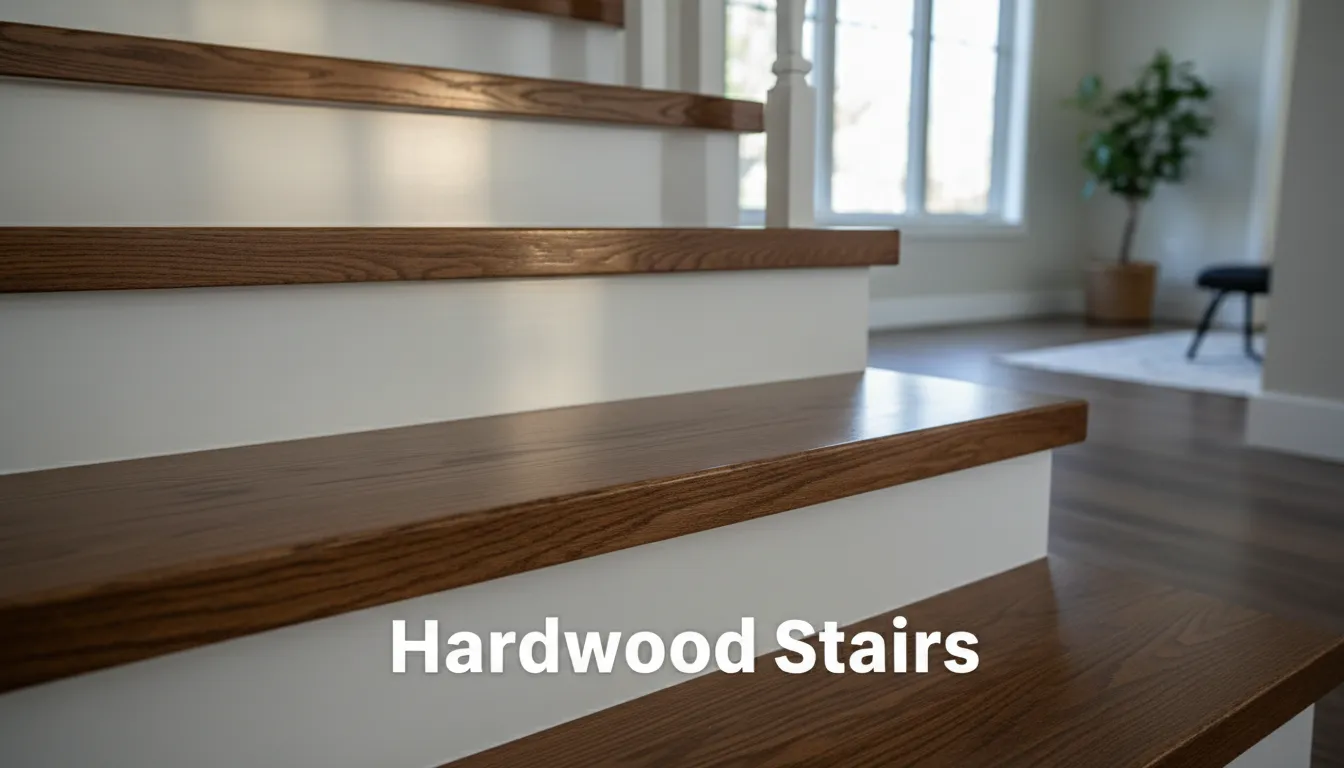
Getting ready for hardwood flooring installation is more than just picking out the perfect planks; it’s about prepping your space to ensure a smooth and successful process. A well-prepared home not only facilitates the installation but also helps prolong the life and beauty of your new floors. This checklist, provided by Mendes Wood Floor Blog, will guide you through the essential steps to take before the installers arrive, making the entire experience stress-free.
1. Clear the Room: Remove all furniture, décor, and other items from the room where the installation will take place. This includes everything from large sofas and beds to smaller items like lamps, rugs, and potted plants. If moving everything out of the room isn’t possible, consolidate items in the center and cover them with protective sheeting. Securing these areas prevents dust and debris from settling on your belongings during the work. It also gives the installation team unobstructed access to the entire floor area, speeding up the project.
2. Remove Existing Flooring: Before the new hardwood can be laid, the old flooring needs to go. This might involve carpet, tile, linoleum, or even old hardwood. Ensure all staples, nails, and adhesive residue are removed to create a clean and level subfloor. This step is crucial as imperfections in the subfloor can affect the stability and appearance of your new hardwood. Improper removal can lead to unevenness or squeaking later on.
3. Clean the Subfloor: Once the old flooring is removed, thoroughly clean the subfloor. Sweep, vacuum, and, if necessary, mop to remove any dust, dirt, or debris. Pay special attention to corners and edges. A clean subfloor ensures proper adhesion and prevents contaminants from interfering with the process. Following the cleaning, allow the subfloor to completely dry before proceeding.
4. Climate Control: Hardwood is sensitive to temperature and humidity. Before installation, ensure your home’s climate is stable, ideally between 60-80°F and 30-50% humidity. Acclimate the hardwood flooring to these conditions for several days before installation. This prevents the wood from expanding or contracting excessively after it’s installed, reducing the risk of warping or gapping. Proper climate control is key to a long-lasting and beautiful floor. It is important when researching installers.
5. Trim the Doors: Check door clearances. New hardwood flooring can raise the floor height slightly, potentially causing doors to drag or not close properly. Trim the bottom of doors as needed to ensure they swing freely over the new floor. Doing this ahead of time prevents damage to the new floor and eliminates the hassle of doing it after installation.
Maintaining Your New Hardwood Floors: Tips for Longevity and Beauty
Proper maintenance is crucial to ensuring your new hardwood floors retain their beauty and last for generations. Regular care prevents wear and tear, preserving the floor’s finish and structural integrity. By following a consistent maintenance routine, you can avoid costly repairs and maintain a stunning look in your home or business. Mendes Wood Floor Blog recommends these tips to extend the life and allure of your hardwood.
Regular Cleaning: Sweep, vacuum, or dust mop your hardwood floors at least once a week to remove dirt, dust, and debris. Use a microfiber mop or a vacuum with a soft brush attachment to prevent scratching the surface. Avoid using abrasive cleaners or scrub brushes, as these can damage the finish. For deeper cleaning, use a hardwood floor cleaner specifically designed for your floor’s finish. Always follow the manufacturer’s instructions for the best results.
Preventative Measures: Place mats at entrances to trap dirt and moisture before they reach your hardwood floors. Use furniture pads under the legs of chairs, tables, and sofas to prevent scratches and dents. Trim your pets’ nails regularly to minimize scratching. Consider using area rugs in high-traffic areas to protect the flooring from wear. These simple precautions can significantly extend the life of your hardwood.
Humidity Control: Maintain a consistent humidity level in your home, ideally between 35% and 55%. Use a humidifier or dehumidifier as needed to prevent excessive expansion or contraction of the wood. Extreme humidity fluctuations can cause warping, cracking, and gapping in your hardwood floors. Monitoring and controlling humidity levels will help preserve the floor’s stability and appearance. Understanding the importance of proper flooring solutions ensures long-lasting beauty.
Addressing Spills Promptly: Clean up spills immediately to prevent staining and water damage. Use a soft cloth or paper towel to blot the spill; avoid rubbing, which can spread the liquid and damage the finish. For sticky spills, use a damp cloth with a mild hardwood floor cleaner. Always dry the area thoroughly after cleaning to prevent water from seeping into the wood. Quick action can prevent permanent damage and maintain the floor’s pristine condition.
Refinishing When Necessary: Over time, even with the best care, hardwood floors may show signs of wear and tear. Refinishing can restore the floor’s original beauty by sanding away the old finish and applying a new one. The need for refinishing depends on the floor’s condition and the level of traffic it receives. Consult with a flooring professional to determine the best time to refinish your hardwood floors and the appropriate finish for your needs.
Conclusion
Investing in hardwood flooring is a significant decision that can dramatically enhance the aesthetic appeal and value of your home. By carefully considering the factors discussed in this guide, from finding the right installer and understanding the associated costs to properly preparing your home and maintaining your new floors, you can ensure a successful and satisfying outcome. Remember that the quality of installation and ongoing maintenance are just as important as the choice of wood itself.
Choosing the right professionals, such as Mendes Wood Floor Blog, ensures that your hardwood flooring is installed with precision and care, minimizing potential issues and maximizing its lifespan. With over 10 years of experience, Mendes Wood Floor specializes in the installation, restoration, and refinishing of hardwood floors and staircases across NY, NJ, and PA, utilizing advanced dustless sanding technology to revitalize homes and businesses. Their commitment to high-quality craftsmanship and transparent communication makes them an excellent choice for your flooring needs.
Properly maintained hardwood floors can last for generations, adding timeless beauty and warmth to your home. Whether you are looking to install new floors or restore existing ones, taking the time to research and plan your project will pay dividends in the long run. When considering your next flooring project, remember to prioritize quality, expertise, and long-term value. For premier flooring solutions that combine elegance, durability, and exceptional service, consider Mendes Wood Floor Blog. Making the right choice ensures the value and beauty of your home for years. Finding the best fitters in your area involves careful research and planning, but the results are well worth the effort.
Frequently Asked Questions
How do I find the best Hardwood Flooring Instalation Near Me?
Finding a reliable installer involves several steps. Start by checking online reviews on platforms like Google, Yelp, and the Better Business Bureau to see previous customers’ experiences. Ask for referrals from friends, family, or neighbors who have had similar work done. It’s crucial to verify that the installer is properly licensed and insured to protect yourself from liability. Obtain multiple quotes from different installers to compare costs and the scope of work. Finally, review portfolios to assess their skill and attention to detail. Thorough interviews are also essential to gauge their experience and transparency.
What factors influence the cost of Hardwood Flooring Instalation Near Me?
Several factors affect the overall cost. The type of wood chosen plays a significant role, with exotic or rare species being more expensive than common options like oak or maple. The condition of the existing subfloor is critical; if it requires repairs or leveling, additional costs will be incurred. The installation method, such as nail-down versus floating, also influences the price. Labor costs vary based on the region and the installer’s experience. Lastly, additional materials like underlayment, adhesives, and high-quality finishes contribute to the total investment.
Is DIY Hardwood Flooring Instalation Near Me a good idea?
A DIY approach can be appealing due to potential cost savings. However, it requires a significant investment of time, physical effort, and a certain level of skill. Mistakes can lead to costly repairs or even the need to redo the entire project. It’s crucial to honestly assess your capabilities before opting for this route. Professional installation, while more expensive upfront, ensures the job is done correctly with specialized tools, handling complex layouts and subfloor issues effectively. Experts also provide a warranty on their workmanship, offering peace of mind.
How should I prepare my home before Hardwood Flooring Instalation Near Me?
Preparation involves several key steps. First, clear the room by removing all furniture and décor. Remove the existing flooring and ensure all staples, nails, and adhesive residue are gone. Thoroughly clean the subfloor by sweeping, vacuuming, and mopping to remove any dust or debris. Ensure climate control by maintaining stable temperature and humidity levels, acclimating the hardwood flooring to these conditions for several days before installation. Lastly, check door clearances and trim the bottoms as needed to ensure they swing freely over the new floor.
How do I maintain my new hardwood floors after Hardwood Flooring Instalation Near Me?
Proper maintenance is crucial for longevity and beauty. Regularly sweep, vacuum, or dust mop your floors to remove dirt and debris. Use preventative measures such as placing mats at entrances and furniture pads under furniture legs. Maintain consistent humidity levels to prevent excessive expansion or contraction. Address spills promptly to avoid staining and water damage. Over time, refinishing may be necessary to restore the floor’s original beauty. Following a consistent maintenance routine helps avoid costly repairs and keeps the floors looking stunning.