
Introduction
Choosing the right flooring can significantly impact the aesthetic and functional aspects of your home. Whether you’re renovating an existing space or building a new one, the quality and installation of your flooring are critical. If you’re in New Jersey and searching for “Flooring contractors near me,” you’re likely seeking reliable professionals who can deliver exceptional results. This guide provides comprehensive insights on how to find, vet, and work with top flooring professionals in NJ, ensuring a seamless and satisfying experience.
In this article, we’ll walk you through the essential steps to identify reputable specialists, understand different flooring options, verify credentials, and manage costs and timelines. You’ll learn how to navigate the complexities of flooring projects, from selecting the right materials to maintaining your new floors for long-lasting beauty. Consequently, by the end of this guide, you’ll be equipped with the knowledge and tools necessary to make informed decisions and achieve the perfect flooring solution for your home. Discover how Mendes Wood Floor Blog helps you in every step.
Summary
-
Finding Reputable Flooring Contractors Near Me: A Comprehensive Guide
-
Navigating Flooring Options: Hardwood, Laminate, Vinyl, and More in New Jersey
-
Vetting Your Contractor: Licenses, Insurance, and Customer Reviews
-
Understanding Flooring Installation Costs and Project Timelines in NJ
-
Maintaining Your New Floors: Tips and Tricks for Longevity and Beauty
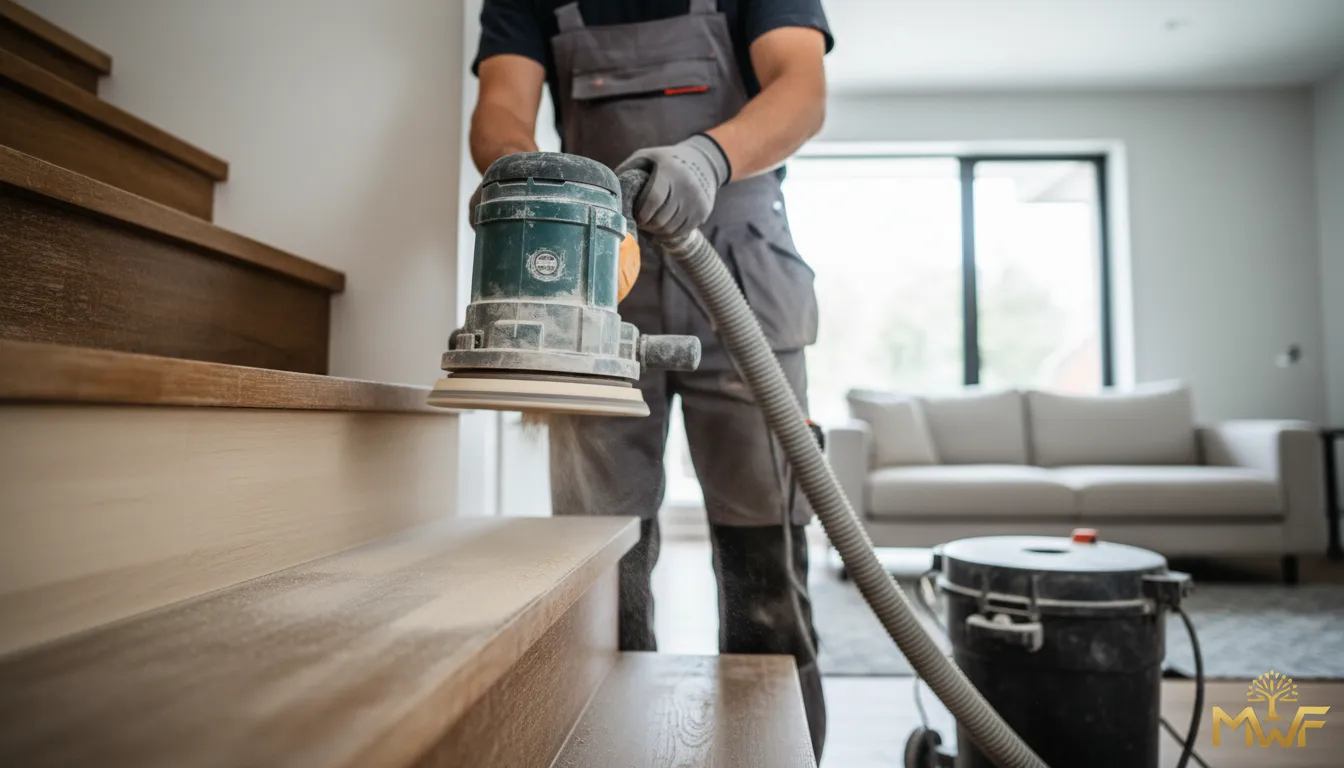
Finding Reputable Flooring contractors near me: A Comprehensive Guide
Finding reliable services involves a strategic approach to ensure you partner with skilled professionals. First, ask for recommendations from friends, family, and neighbors who have recently had flooring work done. Personal referrals often provide valuable insights into the contractor’s quality of work, reliability, and customer service. Additionally, supplement these recommendations with online research to get a broader view of available options.
Online reviews and ratings platforms like Yelp, Google Reviews, and Better Business Bureau (BBB) can offer a wealth of information about potential contractors. Give attention to both the positive and negative feedback, looking for patterns in the comments. A few negative reviews are normal; however, consistent complaints about issues like poor workmanship, communication problems, or hidden fees should raise red flags. Checking the BBB rating and any filed complaints can provide additional assurance.
Once you have a list of potential contractors, it’s essential to verify their credentials. Ensure that they are licensed and insured to operate in your area. Licensing demonstrates that they have met certain standards of competence and professionalism, while insurance protects you from liability in case of accidents or damage during the project. Seek proof of both and verify the information with the relevant licensing boards and insurance providers.
Request detailed, written estimates from at least three different contractors. These estimates should clearly outline the scope of work, materials to be used, timeline for completion, and total cost. Be wary of estimates that are significantly lower than others, as this could indicate substandard work or hidden fees. Compare the estimates carefully, paying attention to the level of detail and any exclusions. Also, inquire about their payment terms and warranty policies.
Finally, don’t hesitate to ask potential contractors about their experience, especially with similar projects to yours. Request references from past clients and follow up with those references to get firsthand accounts of their experience with the contractor. A reputable contractor will be happy to provide references and answer any questions you have about their qualifications and expertise. By following these steps, you can confidently select the right professional for your flooring needs, ensuring a successful and satisfying outcome. Remember that Mendes Wood Floor Blog offers additional resources and insights to help you make informed decisions.
Navigating Flooring Options: Hardwood, Laminate, Vinyl, and More in New Jersey
Selecting the right flooring is a pivotal decision for any New Jersey homeowner, impacting both the aesthetic appeal and the functionality of your space. Hardwood, with its timeless elegance and durability, remains a popular choice. Different wood species offer varied grains and colors, allowing customization to match any décor. Consider oak for its classic look and resilience, maple for its smooth grain and lighter tones, or cherry for its rich, reddish hues.
Laminate flooring provides a cost-effective alternative, mimicking the look of hardwood, tile, or stone at a fraction of the price. It’s highly durable and resistant to scratches, making it an excellent option for high-traffic areas or homes with pets. Vinyl flooring offers another versatile solution, available in sheets, tiles, and planks. As a result, it’s waterproof and easy to maintain, ideal for kitchens, bathrooms, and basements where moisture is a concern.
Beyond these common choices, explore other flooring materials such as tile, known for its durability and design flexibility; carpet, offering warmth and comfort underfoot; and engineered wood, providing a stable and moisture-resistant alternative to solid hardwood. When considering professionals near you, be sure to inquire about their expertise with various materials and installation techniques.
To make an informed decision, consider these factors: budget, lifestyle, aesthetic preferences, and the specific needs of each room. For instance, a busy family with young children might prioritize the durability and stain resistance of laminate or vinyl in living areas, while opting for the warmth and luxury of hardwood in bedrooms. Consulting with professionals can provide invaluable insights into the best options tailored to your unique circumstances. A great resource is the Mendes Wood Floor Blog.
Remember to ask potential installers about subfloor preparation, as this is a critical step for ensuring the longevity and performance of your new flooring. Properly preparing the subfloor prevents issues like unevenness, squeaking, and premature wear. Likewise, inquire about warranties and maintenance requirements for each flooring type to safeguard your investment. Engaging skilled and experienced professionals ensures a seamless installation process and beautiful, long-lasting results.

Vetting Your Contractor: Licenses, Insurance, and Customer Reviews
Before hiring someone for your flooring project, thorough vetting is essential. Begin by confirming that the professional possesses all required licenses. Licensing ensures they meet specific standards and are legally authorized to operate in New Jersey. Therefore, this protects you from potential scams or substandard work. You can typically verify a contractor’s license through the New Jersey Division of Consumer Affairs website.
Insurance is another critical aspect. A reputable contractor should have both liability and workers’ compensation insurance. Liability insurance covers damages to your property during the project, while workers’ compensation protects you if a worker is injured on your premises. Always request proof of insurance and verify its validity with the insurance provider. Don’t hesitate to ask for policy numbers and contact information.
Customer reviews provide valuable insights into a contractor’s reputation and work quality. Check multiple sources such as Google Reviews, Yelp, and the Better Business Bureau. Look for patterns in the feedback. Are there consistent complaints about communication, punctuality, or the quality of the workmanship? Pay attention to how the contractor responds to negative reviews. A professional contractor addresses concerns promptly and strives to resolve issues amicably.
Consider these key areas during the vetting process:
-
License Verification: Confirm the contractor’s license is active and in good standing.
-
Insurance Coverage: Ensure they have adequate liability and workers’ compensation insurance.
-
Online Reviews: Read reviews on multiple platforms to gauge customer satisfaction.
-
References: Ask for and contact previous clients to discuss their experiences.
-
Complaint History: Check with the Better Business Bureau for any registered complaints.
Taking these steps can significantly reduce the risk of hiring an unreliable or unqualified professional. Remember, due diligence upfront saves headaches down the road. The Mendes Wood Floor Blog always emphasizes the importance of a detailed checkup to ensure quality service.
Understanding Flooring Installation Costs and Project Timelines in NJ
When planning a flooring project in New Jersey, understanding the costs and timelines involved is crucial for a smooth and budget-friendly experience. Several factors influence the final price, including the type of flooring material chosen, the size of the area to be covered, the complexity of the installation, and any necessary subfloor preparation. Labor costs also play a significant role, and these can vary depending on the experience and reputation of local services. It’s important to get detailed estimates from multiple professionals to compare pricing and services.
The type of material significantly impacts the overall cost. Hardwood, for example, tends to be more expensive upfront than laminate or vinyl. Nonetheless, hardwood can add long-term value to a home. Installation costs also differ; intricate patterns or custom designs will naturally increase labor expenses. Don’t forget to factor in additional costs such as removing old flooring, disposing of waste, and purchasing necessary underlayment or adhesives. The Mendes Wood Floor Blog often highlights the importance of considering these hidden costs to avoid surprises.
Project timelines are equally important. A simple flooring installation in a small room might take only a day or two, while a larger, more complex project involving multiple rooms or intricate designs could take several days or even weeks. Factors that can affect the timeline include the availability of materials, the contractor’s schedule, and any unexpected issues that arise during the installation process, such as subfloor repairs. Clear communication with your contractor about timelines and potential delays is essential. Before beginning, ask for a detailed project schedule outlining each stage of the installation process.
GET A FREE ESTIMATERequest free quote! |
Here are some typical steps to consider when estimating your flooring project timeline:
-
Initial consultation and estimate: 1-3 days.
-
Material selection and ordering: 1-2 weeks (depending on availability).
-
Subfloor preparation: 1-3 days (if needed).
-
Installation: 1-5 days (depending on project size and complexity).
-
Finishing and cleanup: 1 day.
Remember that these are just estimates, and actual timelines may vary. Always get a written agreement from your contractor that includes a detailed timeline and payment schedule. By understanding these factors, New Jersey homeowners can better prepare for their flooring projects and ensure a satisfactory outcome.
Maintaining Your New Floors: Tips and Tricks for Longevity and Beauty
Proper maintenance is crucial for ensuring the longevity and beauty of your new floors. Whether you’ve opted for hardwood, laminate, or tile, following a few simple tips and tricks can keep them looking their best for years to come. Regular cleaning, protective measures, and prompt attention to spills and damages are key components of a good maintenance routine.
One of the most important aspects of floor maintenance is regular cleaning. Sweep or vacuum your floors frequently to remove dirt, dust, and debris that can scratch or dull the surface. For hardwood floors, use a soft-bristled broom or a vacuum with a felt brush attachment to prevent scratches. For laminate and tile floors, a damp mop with a mild cleaning solution is usually sufficient. Always avoid using excessive water, as it can seep into the seams and cause damage.
Protective measures can significantly extend the life of your floors. Place mats at entryways to trap dirt and moisture before they get tracked onto your floors. Use furniture pads under the legs of chairs, tables, and other heavy items to prevent scratches and dents. Consider using area rugs in high-traffic areas to protect the flooring from wear and tear. These simple precautions can make a big difference in preserving the appearance of your floors.
Addressing spills and damages promptly is essential for preventing permanent stains and structural issues. Wipe up spills immediately with a clean, dry cloth. For stubborn stains, use a cleaning solution specifically designed for your type of flooring. For hardwood floors, avoid using harsh chemicals or abrasive cleaners, as they can damage the finish. If you notice any signs of damage, such as scratches, dents, or cracks, address them as soon as possible to prevent them from worsening. Consulting with experts for professional repairs can be a worthwhile investment.
Here are some additional tips to keep your floors in top condition:
-
Avoid wearing shoes with high heels or cleats on hardwood floors.
-
Trim your pets’ nails regularly to prevent scratches.
-
Use curtains or blinds to protect your floors from direct sunlight, which can cause fading.
-
Rotate area rugs periodically to ensure even wear.
-
Consider professional cleaning and refinishing every few years to restore the luster of your floors; the Mendes Wood Floor Blog offers such services.
By following these tips and tricks, you can ensure that your new floors remain beautiful and durable for many years to come. Remember, proper maintenance is an investment in the long-term value and appeal of your home.
Conclusion
Selecting and installing new flooring is a significant investment that enhances both the beauty and value of your New Jersey home. By following the guidelines outlined in this article, you can confidently navigate the process, from finding reputable contractors to maintaining your new floors. Remember to prioritize thorough vetting, clear communication, and a detailed understanding of costs and timelines to ensure a successful outcome.
Whether you choose hardwood, laminate, vinyl, or another flooring material, proper installation and maintenance are crucial for longevity and aesthetic appeal. Taking the time to research your options, check credentials, and address any concerns proactively will save you time, money, and potential headaches in the long run. With the right approach, your new floors will provide lasting beauty and comfort for years to come.
If you’re ready to begin your flooring project, consider reaching out to Mendes Wood Floor Blog. With their expertise in hardwood flooring and staircase solutions across NY, NJ, and PA, you can trust them to deliver high-quality craftsmanship and exceptional customer service. When searching for services, remember that choosing experienced professionals like Mendes Wood Floor is an investment in the durability and elegance of your home. Contact them today for a consultation and take the first step towards transforming your space.
Frequently Asked Questions
How can I ensure I’m hiring a reputable flooring contractor?
Ensuring you’re hiring a reputable contractor involves several steps. Start by asking for recommendations from people you trust, such as friends and family. Supplement this with online research, paying close attention to reviews on platforms like Yelp and Google Reviews. Verify that the contractor is licensed and insured to operate in New Jersey. Request detailed, written estimates from multiple contractors, and don’t hesitate to ask for references from past clients. Following these steps will increase your chances of a successful project.
What are the key factors that influence the cost of flooring installation in NJ?
Several factors influence the cost of flooring installation. The type of flooring material you choose significantly impacts the overall price; hardwood is generally more expensive than laminate or vinyl. The size of the area to be covered, the complexity of the installation (intricate patterns or custom designs), and any necessary subfloor preparation will also affect the cost. Labor costs can vary, so getting detailed estimates from multiple contractors is essential to compare pricing and services. Factoring in additional costs like removing old flooring and purchasing underlayment is also important.
Why is it important to verify a flooring contractor’s license and insurance?
Verifying a contractor’s license and insurance is crucial for your protection. Licensing ensures that the contractor meets specific standards and is legally authorized to operate in New Jersey, protecting you from potential scams or substandard work. Insurance, including liability and workers’ compensation, covers damages to your property during the project and protects you if a worker is injured on your premises. Always request proof of insurance and verify its validity with the insurance provider.
What maintenance tips can help extend the life of my new floors?
Proper maintenance is key to extending the life and beauty of your new floors. Regular cleaning, including sweeping or vacuuming frequently, helps remove dirt and debris that can scratch the surface. Protective measures, such as placing mats at entryways and using furniture pads under heavy items, can prevent damage. Promptly addressing spills and damages is essential for preventing permanent stains and structural issues. Following these tips will help keep your floors looking their best for years to come.
What are the typical steps involved in a flooring installation project timeline?
A typical flooring installation project involves several steps, each contributing to the overall timeline. These include the initial consultation and estimate, material selection and ordering, subfloor preparation (if needed), the actual installation process, and finishing and cleanup. The duration of each step can vary depending on the project’s complexity and size. Clear communication with your contractor about timelines and potential delays is essential to ensure a smooth process. Always aim for a detailed project schedule outlining each stage.