
Newark NJ: Hardwood Floor Installation Experts
Introduction
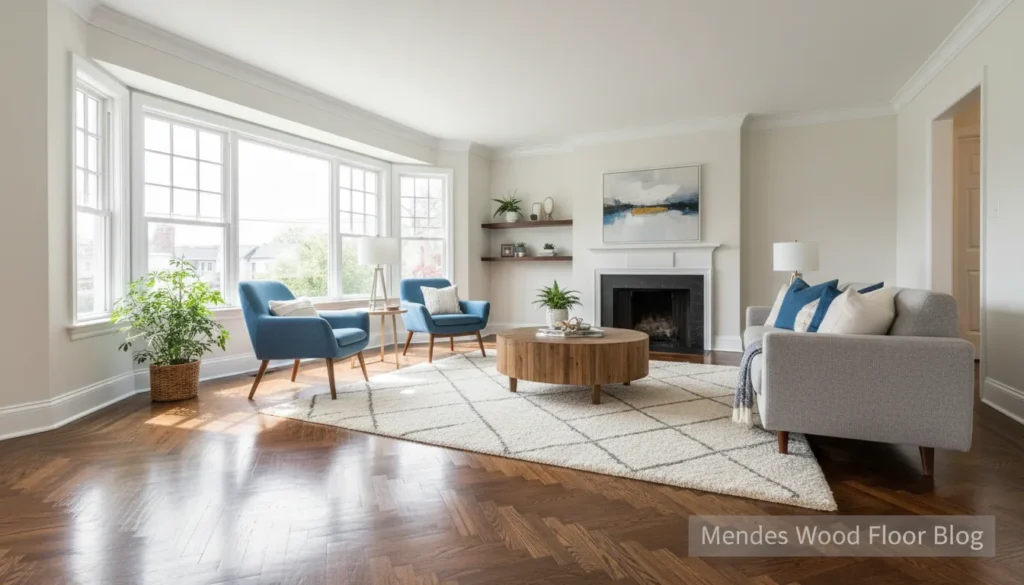
Are you considering enhancing your Newark home with beautiful, durable hardwood floors? The process can seem daunting, but understanding the key steps and considerations will ensure a successful project. To help, we’ve prepared a guide focused on hardwood floor installation. This guide will walk you through the essential aspects of installing hardwood floors in Newark, NJ, offering practical advice and expert insights to help you make informed decisions.
In this comprehensive guide, you’ll discover the factors that influence the cost of installing hardwood floors, how to choose the perfect wood type for your home, and whether a DIY or professional approach is right for you. You’ll also learn valuable tips for maintaining your new floors, ensuring they remain a stunning feature of your home for years to come. Let’s dive in and explore how to transform your Newark residence with the timeless elegance of hardwood floors. As you read on, you’ll realize the transformative effect it can have on your living space.
Summary
-
Understanding the Basics of Hardwood Floor Installation in Newark, NJ
-
Choosing the Right Type of Wood Flooring for Your Newark Home
-
DIY vs. Professional Hardwood Floor Installation: What to Consider
-
Maintaining Your Hardwood Floors: Tips and Best Practices for Newark Residents
Understanding the Basics of Hardwood Floor Installation in Newark, NJ
Embarking on this project in Newark, NJ, requires a solid understanding of the fundamental steps and considerations involved. The process begins long before the first plank is laid, starting with an assessment of the subfloor. This foundational layer must be level, dry, and structurally sound to ensure the longevity and stability of your new hardwood surface. Ignoring this crucial step can lead to uneven flooring, squeaks, and other issues down the line, potentially costing more in repairs. Thus, a detailed assessment is essential.
Choosing the right type of wood is another critical aspect. Different wood species offer varying levels of hardness, grain patterns, and color tones. For instance, oak is a popular choice due to its durability and versatility, while maple offers a more subtle grain and lighter color. Consider the existing decor of your Newark home and the amount of foot traffic the area will endure when making your selection. To gain more insight, consulting with experts at Mendes Wood Floor Blog can provide invaluable insights into the best options for your specific needs and budget.
Proper acclimation of the hardwood is also essential. This involves allowing the wood to adjust to the temperature and humidity levels of your home before installation. Typically, this process takes several days, ensuring the wood doesn’t expand or contract excessively after it’s installed. Skipping this step can lead to gaps or buckling in the flooring. The installation method itself can vary depending on the type of hardwood chosen and the subfloor conditions. Options include nailing, gluing, or floating. By taking the time for acclimation, you’re ensuring its long-term beauty and stability.
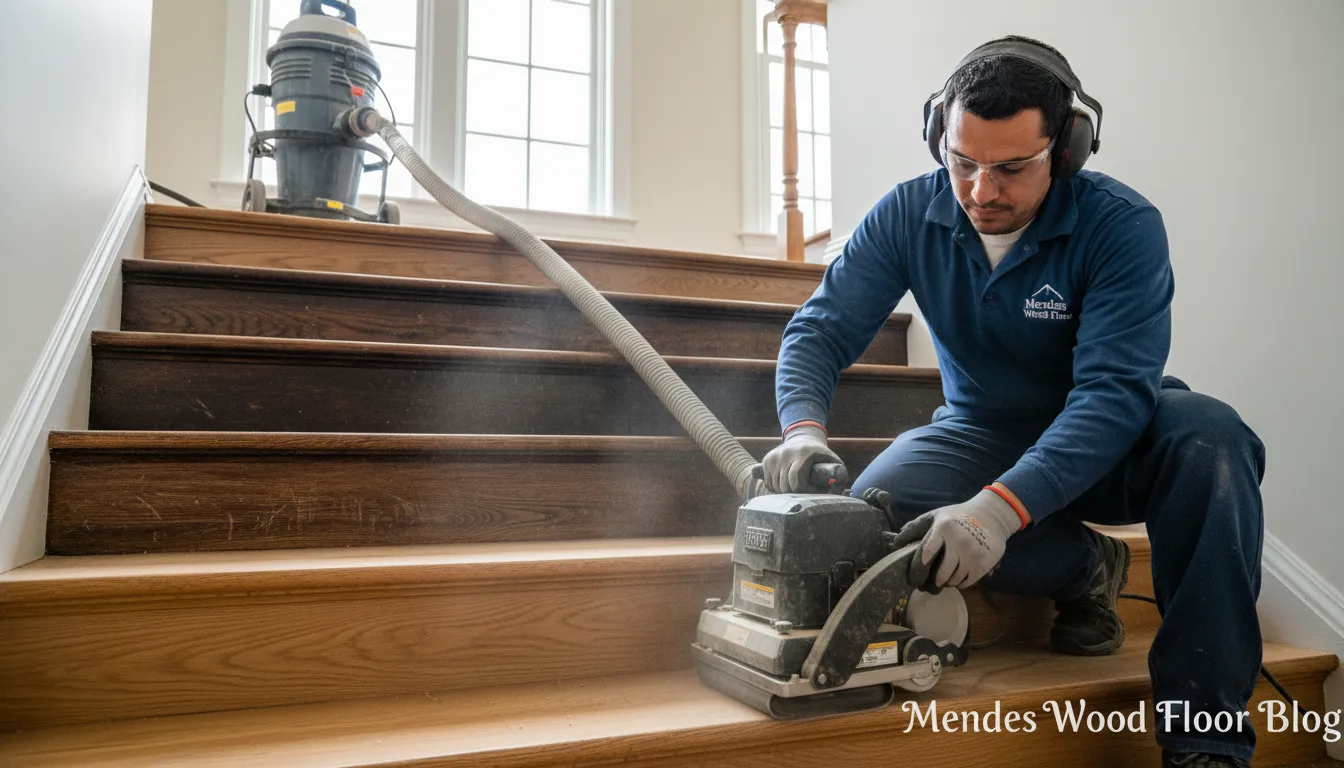
Finally, consider the finishing touches. Once the flooring is installed, it needs to be sanded and sealed to protect it from wear and tear. Various finishes are available, each offering different levels of sheen and durability. Water-based finishes are a popular eco-friendly option, while oil-based finishes provide a richer, more traditional look. Professional installers will guide you through these choices, ensuring a beautiful and long-lasting result. Therefore, choosing wisely will ensure the longevity of this beautiful investment.
Factors Influencing the Cost of Hardwood Floor Installation
Several factors influence the final cost of installing hardwood floors in Newark, NJ. Understanding these elements helps homeowners budget effectively and make informed decisions. Mendes Wood Floor Blog aims to provide clarity on these cost drivers, ensuring a transparent and satisfying experience. Moreover, being aware of these factors allows for smarter planning.
Type of Wood: The species of wood significantly impacts the price. Common options like oak and maple are generally more affordable. Exotic or rare woods, such as Brazilian cherry or walnut, command a higher price due to their scarcity and unique characteristics. The grade of the wood also matters; higher grades with fewer imperfections will increase the overall expense. In fact, the type of wood can often be the biggest cost driver.
Square Footage: This is a primary determinant. Larger areas require more materials and labor, naturally increasing the total cost. Accurate measurements are crucial for an accurate estimate. Don’t forget to factor in closets, hallways, and other areas where the material will be installed. Indeed, larger spaces will inevitably lead to higher expenses.
Subfloor Preparation: The condition of the existing subfloor plays a critical role. If the subfloor is uneven, damaged, or requires significant repairs, additional labor and materials will be needed to ensure a smooth and stable surface for the new material. This preparation might include leveling, patching, or even replacing sections of the subfloor. For this reason, an inspection is crucial.
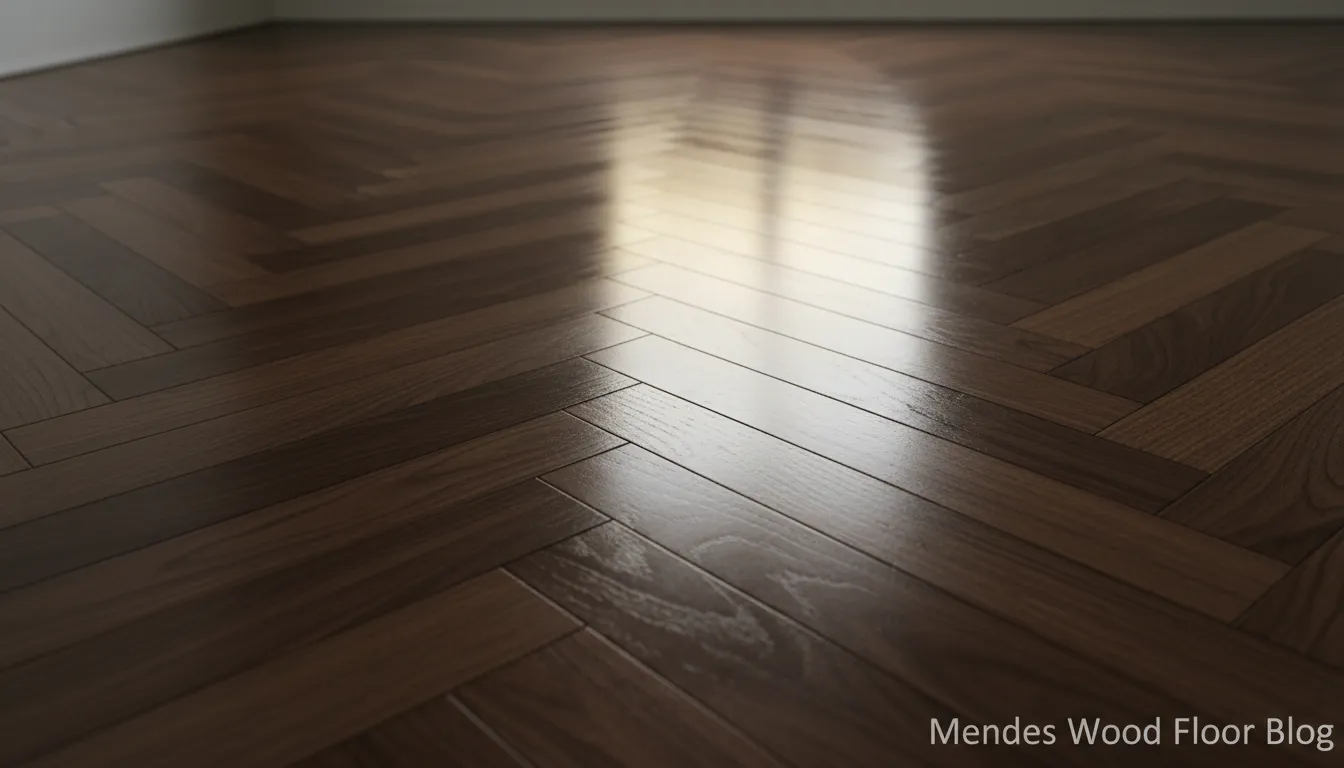
Installation Complexity: Intricate patterns, such as herringbone or parquet, require more skill and time, which translates to higher labor costs. Simple, straight-lay installations are generally more cost-effective. Room shape and architectural details also impact the complexity and, therefore, the cost. Things like stairs, curves and custom transitions will all increase the final invoice. In short, complexity adds to the expense.
Additional Costs: Other factors can influence the final price. These may include:
-
Removal and disposal of old flooring
-
Moving furniture
-
Cost of underlayment
-
Baseboard and molding installation
-
Finishing and sealing
-
Travel costs for installers (especially for locations further from Newark)
By considering these factors, homeowners can better understand the costs associated with this process and plan their projects accordingly. In light of these considerations, budgeting becomes more straightforward.
Choosing the Right Type of Wood Flooring for Your Newark Home
Selecting the perfect wood flooring for your Newark residence involves several crucial considerations. Newark’s diverse architectural styles, ranging from historic homes to modern apartments, require careful consideration of which wood types complement the existing aesthetic. Factors such as foot traffic, moisture levels, and your budget play significant roles in making the right decision. Understanding these elements ensures that your new floors not only enhance your home’s beauty but also provide lasting durability and value.
Consider the Janka hardness scale, which measures the relative hardness of different wood species. Softer woods like pine might be suitable for low-traffic areas such as bedrooms, while harder woods like oak, maple, or hickory are better suited for high-traffic zones like hallways and living rooms. This is especially important in busy Newark households with children or pets. Matching the wood’s durability to the area’s use is essential for longevity.
Here’s a breakdown of popular wood flooring options ideal for Newark homes:
-
Oak: A classic choice, known for its durability and versatility.
-
Maple: Offers a clean, modern look and is resistant to dents and scratches.
-
Hickory: Extremely durable and provides a rustic, textured appearance.
-
Cherry: Rich, warm tones add elegance to any room.
-
Engineered Wood: A cost-effective option that withstands moisture better than solid wood, making it suitable for basements or kitchens.
Remember to also factor in the maintenance requirements of each wood type. Some woods require more frequent refinishing and care to maintain their appearance. The team at Mendes Wood Floor Blog can offer personalized advice based on your lifestyle and preferences. This process will help you make an informed decision that balances aesthetics, functionality, and budget. Consulting with experts ensures that the chosen flooring meets the unique demands of your Newark home.
DIY vs. Professional Hardwood Floor Installation: What to Consider
Deciding between a do-it-yourself approach and hiring professionals for floor installation involves several key considerations. While a DIY project might seem cost-effective initially, it demands a significant investment of time, specialized tools, and a certain level of expertise. Mistakes can be costly, potentially leading to damaged materials or a less-than-perfect finish. Are you prepared to handle unexpected subfloor issues or complex installation patterns? These factors can quickly turn a budget-friendly plan into an expensive endeavor. As such, careful consideration is key.
Professional installers bring years of experience and the right equipment to ensure a flawless installation. They can efficiently address challenges such as uneven subfloors, intricate designs, and moisture control. This expertise not only guarantees a high-quality result but also saves time and minimizes the risk of errors. A professional assessment can identify potential problems early on, preventing future issues and extending the life of your floors. Indeed, professional service ensures quality.
GET A FREE ESTIMATERequest free quote! |
Consider the following points when making your decision:
-
Skill Level: Are you comfortable using power tools and following precise instructions?
-
Time Commitment: Do you have the time to dedicate to a potentially lengthy project?
-
Tool Availability: Do you own or have access to the necessary tools, such as a nail gun, moisture meter, and floor sander?
-
Warranty: Professional installations often come with a warranty, protecting against defects in workmanship.
-
Subfloor Condition: Are you confident in your ability to assess and address any subfloor issues?
Choosing a professional service, like Mendes Wood Floor Blog, offers peace of mind, knowing that the work is done correctly and efficiently. Ultimately, the best choice depends on your skill level, available time, budget, and desired outcome. If you value precision, durability, and a hassle-free experience, going with a pro is often the most sensible route.
Maintaining Your Hardwood Floors: Tips and Best Practices for Newark Residents
Maintaining the allure and longevity of your hardwood floors in Newark requires consistent care and the right techniques. Given Newark’s varying climate, understanding how to protect your floors from moisture and temperature fluctuations is paramount. Here are essential tips and best practices to ensure your floors remain a stunning feature of your home for years to come, recommended by Mendes Wood Floor Blog.
-
Regular Cleaning: Sweep or vacuum your hardwood floors regularly to remove dirt, dust, and debris that can scratch the surface. Use a soft-bristled broom or a vacuum with a floor brush attachment.
-
Use Proper Cleaning Products: When mopping, use a pH-neutral hardwood floor cleaner. Avoid using excessive water, which can seep into the seams and cause damage. Always wring out the mop thoroughly.
-
Invest in Doormats and Rugs: Place doormats at entrances to trap dirt and moisture from shoes. Use rugs in high-traffic areas to protect the floor from wear and tear.
-
Control Humidity Levels: Maintain consistent humidity levels in your home, ideally between 35% and 55%, to prevent the wood from expanding or contracting. A humidifier or dehumidifier can help regulate moisture.
-
Avoid Scratches: Attach felt pads to the bottom of furniture legs to prevent scratches when moving furniture. Be cautious when walking on the floors with high heels.
-
Professional Maintenance: Schedule regular professional maintenance, including refinishing, to rejuvenate your hardwood floors. This service can address scratches, dents, and wear, restoring it to its original beauty.
Addressing spills immediately is crucial to prevent staining and water damage. Use a soft cloth to blot the spill, working from the outside in to avoid spreading it. For stubborn stains, consult with a flooring professional. By following these tips, Newark residents can ensure their hardwood floors remain beautiful and durable, enhancing the overall appeal of their homes. In addition, consider seasonal maintenance checks to address any specific issues that arise due to changing weather conditions. This proactive approach can save you time and money in the long run.
Conclusion
Installing hardwood floors in your Newark home is an investment that can significantly enhance its beauty and value. By understanding the basics of the installation process, the factors that influence the cost, and the importance of choosing the right type of wood, you can make informed decisions that align with your budget and aesthetic preferences. Whether you opt for a DIY approach or hire professionals, proper installation and maintenance are crucial for ensuring the longevity and appeal of your floors.
Remember to consider the specific needs of your Newark home, including foot traffic, moisture levels, and existing decor, when making your selections. Regular cleaning, proper maintenance, and addressing issues promptly will help keep your hardwood floors looking their best for years to come. For expert guidance and professional services, consider reaching out to Mendes Wood Floor Blog. With our experience and commitment to quality, we can help you achieve the hardwood floors of your dreams. For all your hardwood floor installation needs, Mendes Wood Floor is here to help!
Frequently Asked Questions
What are the initial steps for undertaking a project of Hardwood floor installation in Newark, NJ?
The initial steps involve assessing the subfloor to ensure it is level, dry, and structurally sound. This foundational layer is critical for the stability and longevity of the new flooring. Choosing the right type of wood based on hardness, grain pattern, and color is also crucial. Acclimating the wood to the home’s temperature and humidity levels before installation is essential to prevent expansion or contraction issues later on. Proper preparation ensures a successful and lasting result.
What factors significantly influence the cost of Hardwood floor installation?
The cost is influenced by several factors including the type of wood selected, with exotic or rare woods costing more. The square footage of the area to be covered directly impacts material and labor costs. The condition of the subfloor and any necessary repairs will add to the expense. Complex installation patterns also increase labor costs. Additional expenses, such as removing old flooring and installing baseboards, should also be considered.
How do I choose the right type of wood flooring for my Newark home?
Consider Newark’s architectural style, foot traffic, moisture levels, and your budget. The Janka hardness scale can guide you in selecting a wood that withstands wear and tear. Oak, maple, and hickory are durable choices for high-traffic areas, while softer woods may suit bedrooms. Engineered wood is a cost-effective option for basements or kitchens due to its moisture resistance. Factoring in maintenance requirements ensures that your choice aligns with your lifestyle and preferences.
What should I consider when deciding between DIY and professional Hardwood floor installation?
Assess your skill level, time commitment, and tool availability. DIY projects can seem cost-effective but require expertise to avoid costly mistakes. Professionals bring experience and the right equipment, ensuring a flawless result and minimizing risks. Consider whether you can handle subfloor issues or complex patterns. Professional installations often come with a warranty, offering peace of mind and protecting against defects in workmanship. Ultimately, the decision depends on your capabilities and desired outcome.
How can Newark residents maintain their hardwood floors to ensure longevity?
Consistent care and the right techniques are essential. Regularly sweep or vacuum to remove dirt and debris. Use pH-neutral cleaners and avoid excessive water when mopping. Invest in doormats and rugs to protect against wear and tear. Control humidity levels to prevent expansion or contraction. Attach felt pads to furniture to avoid scratches. Schedule professional maintenance, including refinishing, to rejuvenate the floors and address any damage. Addressing spills immediately also helps prevent staining and water damage.